


Epoxy Flooring Contractors Near Me: How Do They Work?
Epoxy flooring is a very popular floor covering choice. This is due to its many advantages, such as:
- It is durable.
- It can withstand even the toughest conditions.
- It is attractive
- It is easy to install, making it cost-effective.
For many years epoxy resin floor coatings were widely used in commercial settings. It is now becoming a popular choice for garages, and other residential areas. Epoxy floor coatings can transform any space and provide a professional look as well as many practical benefits.
You only get one chance to install epoxy flooring correctly, unlike other types of flooring. This guide will give you an overview of both residential and commercial epoxy flooring and walk through the installation process.
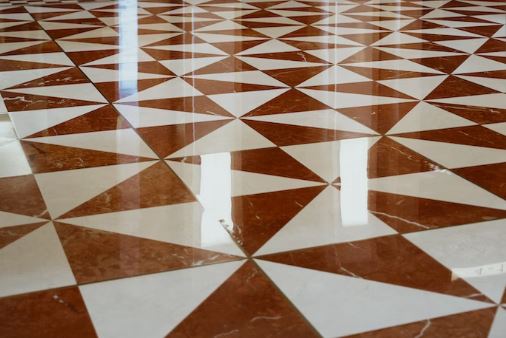
Why do Epoxy Flooring Contractors Use This Material?
Two main components of epoxy flooring are resins and hardeners. These two main components combine to form a hard epoxy material. The epoxy material forms a bond with the substrate. It cures and forms a hardwearing, durable coating to protect concrete against both chemical and mechanical stress. Concrete is now less porous and can be cleaned easily.
Epoxy flooring has many benefits: What are the advantages?
Epoxy flooring can be chosen for many reasons. The environment and your requirements will determine the best epoxy flooring for you. Epoxy floors provide a sealed, continuous and hygienic floor surface when cured and deliver a range of benefits, such as:
- Durable and hard-wearing – resists wear in industrial and high-traffic areas
- Professional installers can create patterns and designs to suit your needs using epoxy.
- Concrete floors can have non-dusting applied to them. This will prevent concrete dust from getting into unsealed floors.
- Damp-proof Membranes are for installations where DPMs have not been installed, or have broken down.
- It provides a level and smooth surface that is not self-leveling.
- Low maintenance, easy to maintain floor options
- A cost-effective flooring choice that is affordable
- Chemical resistance is high – even potent chemicals are not affected
- Water and heat resistant
- Anti-slip, safe, and resistant to severe impact
How do you apply epoxy flooring?
Epoxy flooring can be applied by anyone who has basic DIY skills. However, a professional epoxy flooring contractor is required to ensure a smooth, high-quality finish.
Epoxy Resin cannot be used in large quantities and is therefore not self-leveling. To get the best floor finish, you should first level it. Then apply the epoxy resin. This is how to apply epoxy flooring.
Prepare
Start by clearing out the entire room. You can now access all of the floors. Next, sweep the whole area and vacuum it to remove any dust or debris. You will have to fix cracks or chips in concrete. You can use an epoxy mortar to quickly repair the damage. Before applying epoxy, you need to make sure the concrete slab has been free of grease, oil, and solvents. These substances can reduce the bond between the concrete slab and the substrate, so they should be completely removed. To prepare concrete slabs for epoxy, you should also use grit blasts and mechanical surface scrabbling. Preparation is the key to creating a high-quality epoxy floor. While preparing for epoxy floors can take time, it's essential to prepare a concrete slab that is clean before you apply the flooring. If the concrete slab is contaminated, we recommend applying primer. Primer is used to bond the epoxy floor coating. You can choose to use clear or grey epoxy coatings as your primer on a freshly cleaned floor. This thinner product allows for better penetration of concrete. For the best color and coverage, it is recommended to apply at least two coats. If the surface has been contaminated, you should use the appropriate primer. You can apply one coat of standard epoxy to concrete that is free of oil or other contaminants. The Epoxy HB 200-500 microns should be left to dry for between 24 and 36 hours. To increase the thickness and longevity of your service, you can apply another coat of HB. This stage is the most important because the floor will last longer if you use more coats. Important Note: Epoxy flooring coatings cannot be self-leveling. Epoxy is not self-leveling and you'll need to use a self-leveling product before applying the epoxy. It will be waterproof if it is applied before Epoxy Damp Proof Membrane.
Mixing
The base and the hardener parts can be opened. Before mixing the components together, you should separate them and then add them to a bigger container. Mix the components thoroughly using an electric mixer attached to a high-speed drill. Mix the ingredients together for at least two minutes until they are all uniform in color. Do not place the coating in the container. Instead, transfer the coating to a large tray that is ready for rolling. Some prefer to apply the coating directly on the slab, and then roll it from there.
Application of the Coating
You will need to carefully read and follow the instructions when applying epoxy flooring coating. One person could apply epoxy in a small area, such as a garage. Keep an eye on working time and roll to cover the interior. In larger spaces, it is recommended to use two or more application tools. One person can brush the area and then apply it to others. The other applies the coating from one end and starts at a fixed point. Apply the epoxy to concrete immediately using a medium/ short pile roller. Cross-rolling is highly recommended. Cross-rolling epoxy flooring is strongly recommended. This should be done section-by-section. The coating is rolled vertically (vertical), and horizontally (horizontal). To avoid any bubbles, this should ensure an even coating and eliminate air. Clear epoxy begins as a white resin but it dries to clear semi-gloss. You only have between 30-45 minutes to mix the epoxy and apply it to your surface. Any epoxy coating that you do not use is unusable, and thus waste. This epoxy coating cannot be reused for your next coat. Don't apply too much or in thick layers. This could cause cracks or uncured products. Tip: An extended roller can make it easier to do the job.
Use clean tools
While we recommend that tools be cleaned with soapy hot water, brushes and roller heads should be thrown out.
Use a second coat
Between coats, allow at least 12 hours of drying time and not more than 48 hours. The floor may feel dry in a couple of hours but it will take several days for the flooring to fully cure. To allow the epoxy to dry, it is important to ensure that there is as much airflow as possible. Epoxy Floor Coating that is applied in cold or damp environments may delay drying. You should also pay attention to the application temperature on the container. Do not apply outside these temperatures.
True | False | |
In larger spaces, it is recommended to use only one application tool. | X | |
Cross-rolling epoxy flooring is unnecessary. | X | |
Epoxy flooring can be applied by anyone who has basic DIY skills. | X |
